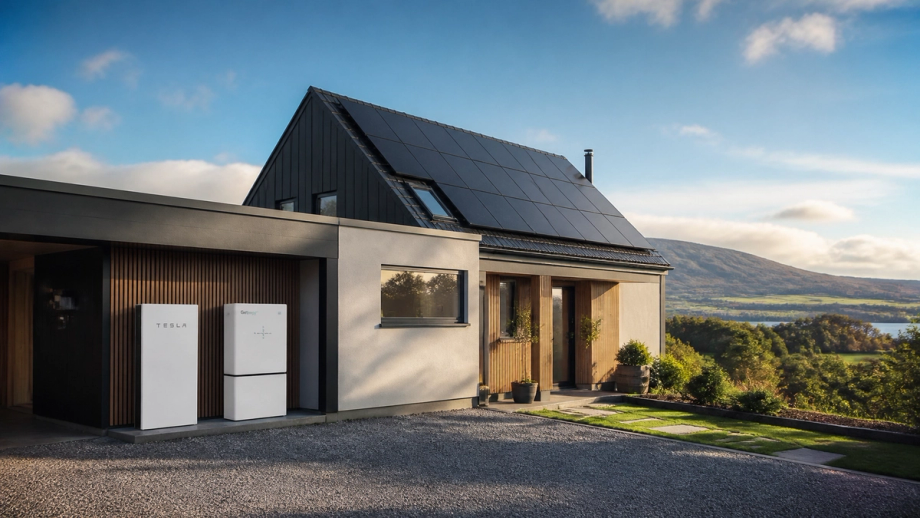
If you have been keeping an eye on the UK energy market lately, you will know that things are moving fast. We are midway through 2026, and the conversation around our homes has shifted. It is no longer just about "going green" for the sake of the planet; it is about protecting your bank account from the unpredictable nature of the national grid.
But as we sit here in July 2026, there is one question that keeps popping up in our inbox: “Does the upfront solar panel cost really matter anymore?”
The short answer? Yes, but perhaps not for the reasons you think. While equipment prices have stabilised, there is a massive financial deadline looming on the horizon that could change the maths for UK homeowners overnight. We are talking about the 0% VAT deadline, and if you are planning to join the renewable revolution, the clock is officially ticking.
The 2026 Energy Climate: Why Now?
The UK energy landscape in 2026 is a different beast compared to a few years ago. We have seen the introduction of the Warm Homes Plan, which has helped thousands of families transition to cleaner tech. However, the biggest driver for solar adoption right now isn't just government grants: it’s the desire for independence.
With energy prices remaining stubborn, solar panels in the UK have become the go-to solution for anyone looking to "lock in" their energy costs for the next 25 years. But as we approach the end of 2026, the financial incentive to act sooner rather than later has never been higher.

The Truth About the 0% VAT Deadline
Back in 2022, the government introduced a 0% VAT rate on the installation of energy-saving materials, including solar panels and heat pumps. This was a game-changer, effectively slicing hundreds (and often thousands) of pounds off the total bill for homeowners.
Here is the catch: This relief is scheduled to end on 31 March 2027.
From 1 April 2027, the VAT rate is set to revert to a reduced rate of 5%. While 5% might not sound like much, on a typical 4kW residential solar system, that is an extra £1,000 to £1,600 added back onto the price tag.
In 2026, we are in the "Golden Window." You have less than a year left to secure your installation at the absolute lowest tax rate possible. If you wait until next summer to start your project, you are essentially choosing to pay a "delay tax" to the Treasury.
Breaking Down the Solar Panel Cost
When people ask about solar panel cost, they often focus on the price of the panels themselves. In 2026, the technology is more efficient and affordable than ever. However, the "cost" of solar is actually a calculation of three things:
The Hardware: The panels, inverter, and mounting kits.
The Installation: The professional labour to get it safely on your roof (which is where the 0% VAT really helps).
The Opportunity Cost: Every month you wait is another month you are paying full price for grid electricity.
At Herofix, we always tell our customers: the best time to install solar was ten years ago. The second best time is right now. By installing in 2026, you aren't just saving on VAT; you are starting your payback journey earlier.
Why Batteries are the Secret Sauce in 2026
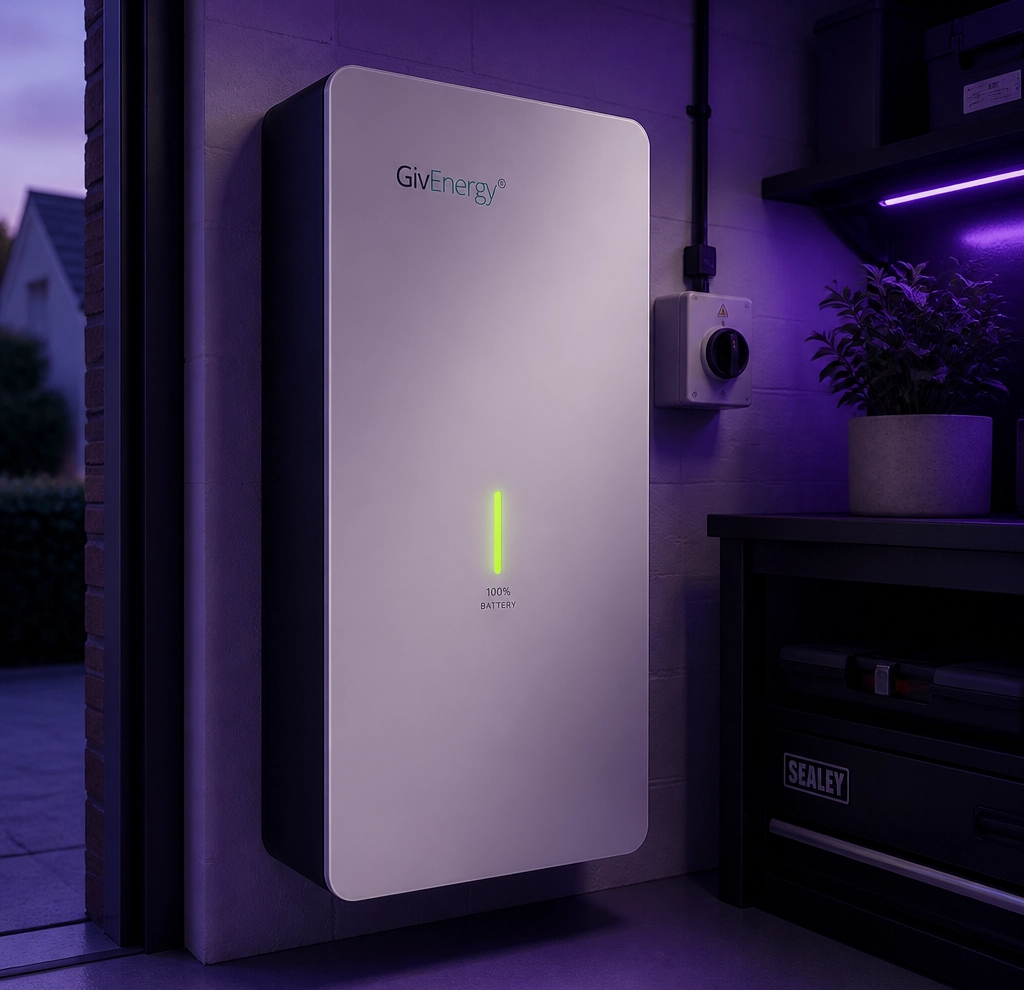
If you are looking at renewable energy for homes, you cannot ignore battery storage. In the "old days" of solar, you would sell your excess energy back to the grid for a few pence. In 2026, that is a bit of a waste.
With a smart battery system, you can store the free energy your panels generate during the day and use it at night when the sun goes down. This "self-consumption" is what really drives down your monthly bills. Even better, when batteries are installed alongside solar panels, they also benefit from that 0% VAT rate: but only if you get them done before the 2027 deadline.
Real Savings: 0% vs 5% VAT
Let’s look at the numbers. Imagine a high-spec solar and battery system costing £10,000.
- Installing in 2026 (0% VAT): Total Cost = £10,000.
- Installing in April 2027 (5% VAT): Total Cost = £10,500.
That £500 difference is enough to cover your electricity bills for several months, or perhaps even pay for a smart EV charger to be added to your system. It is money that stays in your pocket rather than going to the taxman.
Don't Forget the "Rush" Factor
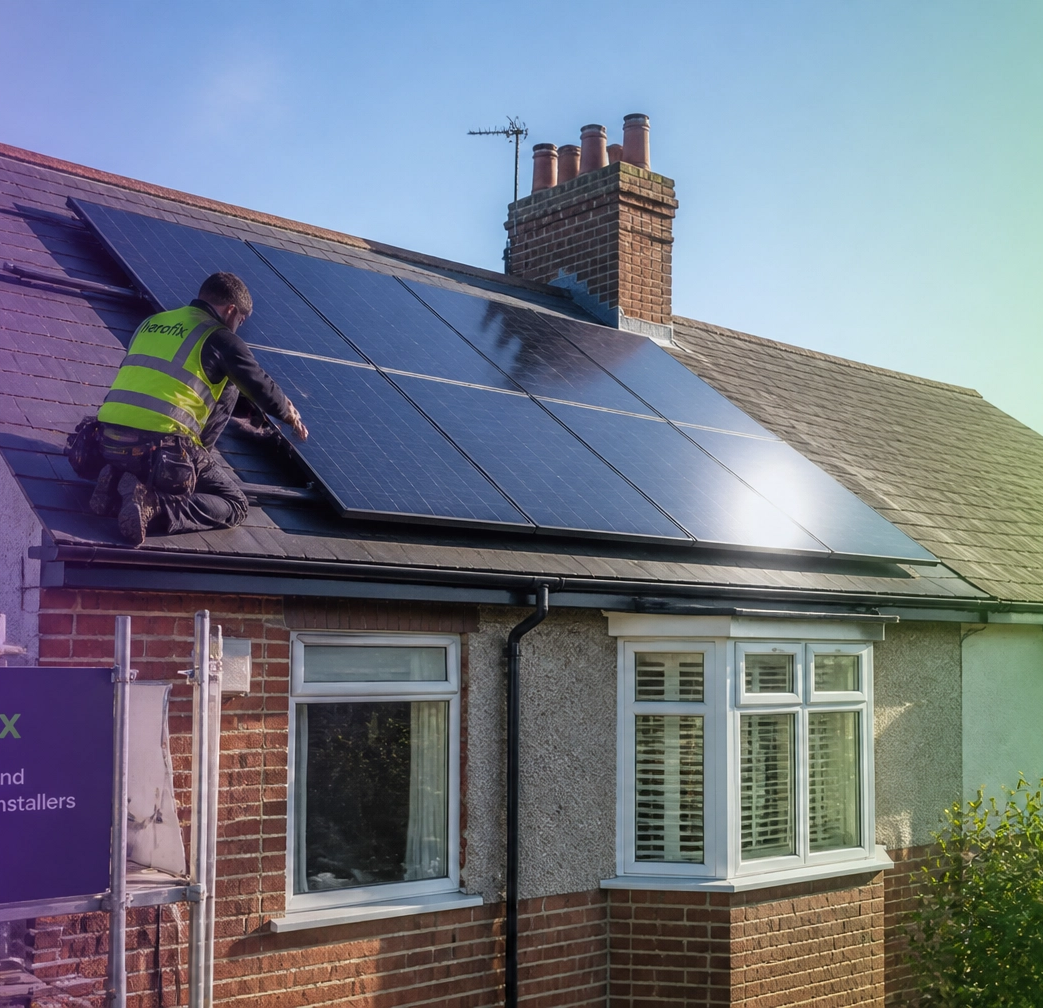
As we get closer to March 2027, the demand for installers is going to skyrocket. We saw this back in the early days of the Feed-in Tariff: everyone waits until the last minute, and suddenly, lead times go from three weeks to three months.
By starting your journey now, in the summer of 2026, you avoid the "deadline rush." You get your choice of the best components, the best installation dates, and the peace of mind that your paperwork is filed and your 0% VAT is locked in long before the rules change.
How Herofix Can Help
At Herofix, we specialise in making the transition to solar as simple as possible. We don't do jargon, and we don't do high-pressure sales. We just supply and fit top-quality solar panels, batteries, and heat pumps for UK homeowners who want to take control of their energy.
Our process is simple:
Get a Quote: Use our online tool to see what is possible for your roof.
Expert Advice: We will help you design a system that fits your home and your budget.
Professional Install: Our team handles everything, ensuring you meet all the requirements for the 0% VAT relief.
The Verdict: Does Cost Matter?
In 2026, the sticker price of solar panels matters less than the timing of your installation. With the 0% VAT deadline approaching in March 2027, the smartest financial move you can make this year is to stop "thinking about it" and start doing it.
Renewable energy for homes is no longer a luxury: it is a strategic move for any smart homeowner. Whether you want to slash your carbon footprint or just want to stop worrying about the next energy price cap announcement, 2026 is the year to make it happen.
Ready to beat the deadline? Get a free, no-obligation quote from Herofix today and see how much you could save before the VAT rules change.