So, you’re thinking about making the jump to solar energy? It’s a brilliant move. Not only is it one of the best ways to do your bit for the planet, but in today’s world, it’s also a smart way to protect your wallet from the ever-changing prices of the energy market.
At Herofix, we chat with homeowners every single day who are excited about solar panels but have one big question hanging over their heads: “How much is this actually going to cost me?”
The truth is, solar panel cost isn't a one-size-fits-all figure. It depends on your roof, your energy habits, and even where in the UK you live. To help you make sense of it all, we’ve put together this guide with the 10 most important things you need to know about the cost of going solar in 2026.
1. The "Ballpark" Figure for a Standard Home
When you start looking for renewable energy for homes, you’ll see all sorts of numbers flying around. For a typical three-bedroom semi-detached house in the UK, you’re usually looking at a starting price of around £6,500 to £9,000 for a standard solar panel system (without a battery).
This usually covers about 10 to 14 panels, depending on their wattage. While that might feel like a big upfront investment, it’s worth remembering that this covers the hardware, the labour, and the peace of mind that comes with professional fitting.
2. Why System Size Dictates the Price
It sounds obvious, but the more panels you need, the more you’ll pay. However, the "cost per panel" actually goes down as the system gets bigger.
- Small (2-bed home): A 3kW system might cost between £5,000 and £6,500.
- Medium (3-bed home): A 4–5kW system averages around £7,500.
- Large (4+ bed home): A 6kW+ system can range from £9,500 upwards.
At Herofix, we don’t believe in selling you more than you need. We’ll look at your actual energy usage to make sure your system is sized perfectly to maximise your savings without wasting your money on extra panels that won't get used.
3. The Battery Storage Factor
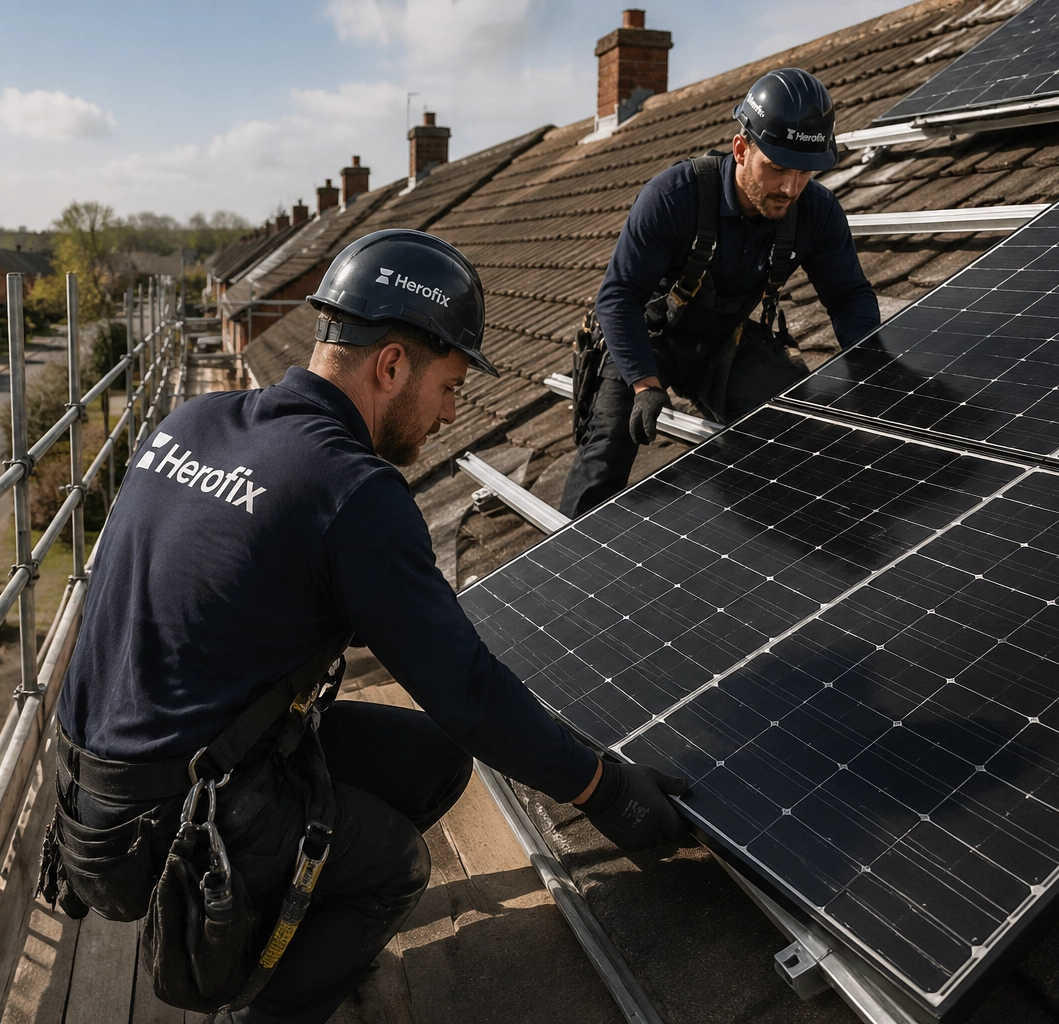
If you really want to get the most out of your solar panels, you’ll probably want to add battery storage. This is the "secret sauce" of modern solar. Without a battery, any energy you generate during the day that you don’t use right away goes back to the National Grid. With a battery, you can save that energy to use in the evening: meaning you’re still running on free solar power even when the sun has gone down.
Adding a battery usually adds between £4,000 and £6,000 to the total cost. It’s an extra expense, but it can help you reduce your reliance on the grid by up to 70%, which is a massive win for your monthly bills.
4. Labour and Scaffolding: The Hidden Costs
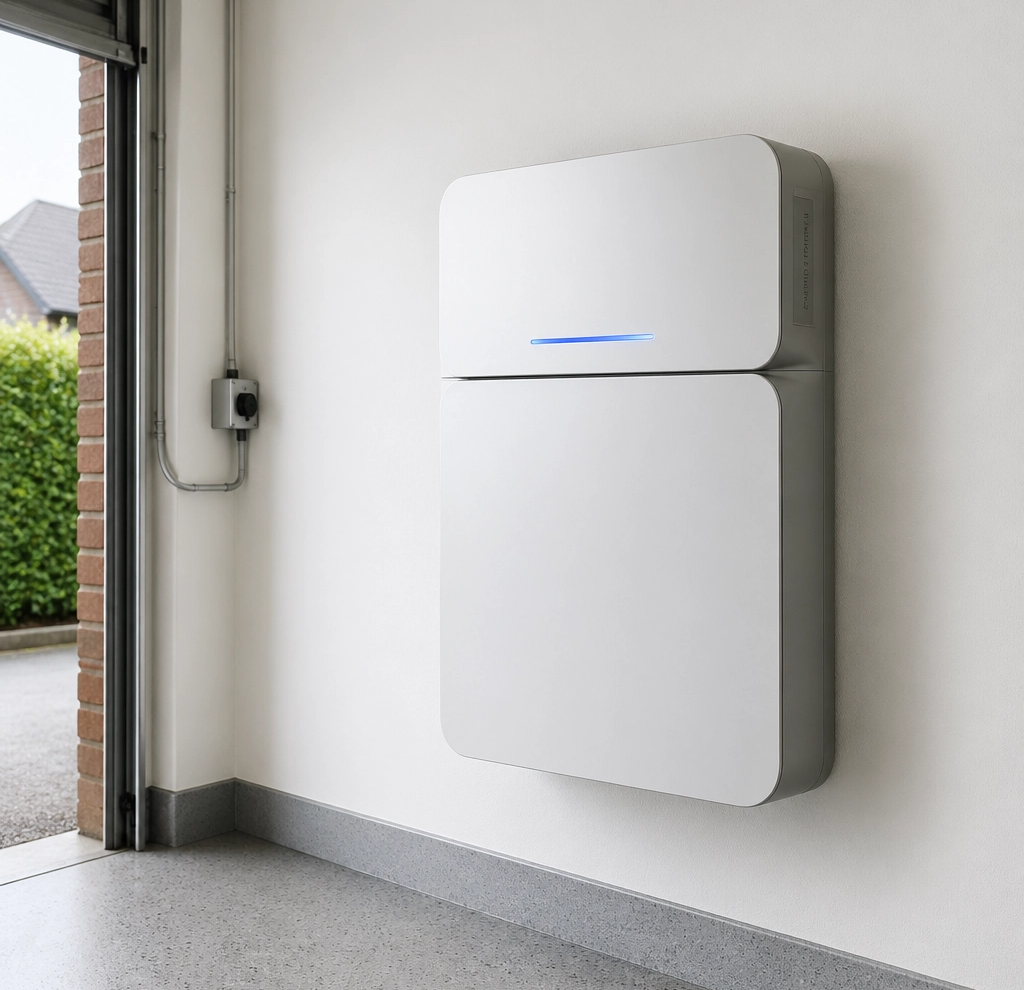
When you see a price for a "solar panel kit" online, it often ignores the reality of getting them onto your roof. A safe, professional installation requires scaffolding, which can cost anywhere from £500 to £1,500 depending on the height and complexity of your house.
Then there’s the expert labour. You’re paying for qualified electricians and installers who know how to work with high-voltage systems and ensure your roof remains watertight. Doing it right the first time is always cheaper than fixing a botched DIY job later!
5. Regional Price Differences
Believe it or not, where you live in the UK can affect the final quote. Labour costs in London and the South East tend to be higher than in the North of England or Scotland. However, the price of the actual panels and inverters usually stays the same across the country.
The good news? The "solar payback" is often similar everywhere because even "cloudy" parts of the UK get more than enough daylight to make solar panels a great investment.
6. The Return on Investment (ROI)
We like to think of solar panels not as a "cost" but as an "investment." Most homeowners find that their system pays for itself in roughly 8 to 10 years. After that point, the energy you generate is essentially 100% free.
With energy prices remaining unpredictable, having your own "power station" on your roof gives you a level of financial security that’s hard to beat. You can read more about the real truths of solar payback here.
7. Making Money with the Smart Export Guarantee (SEG)
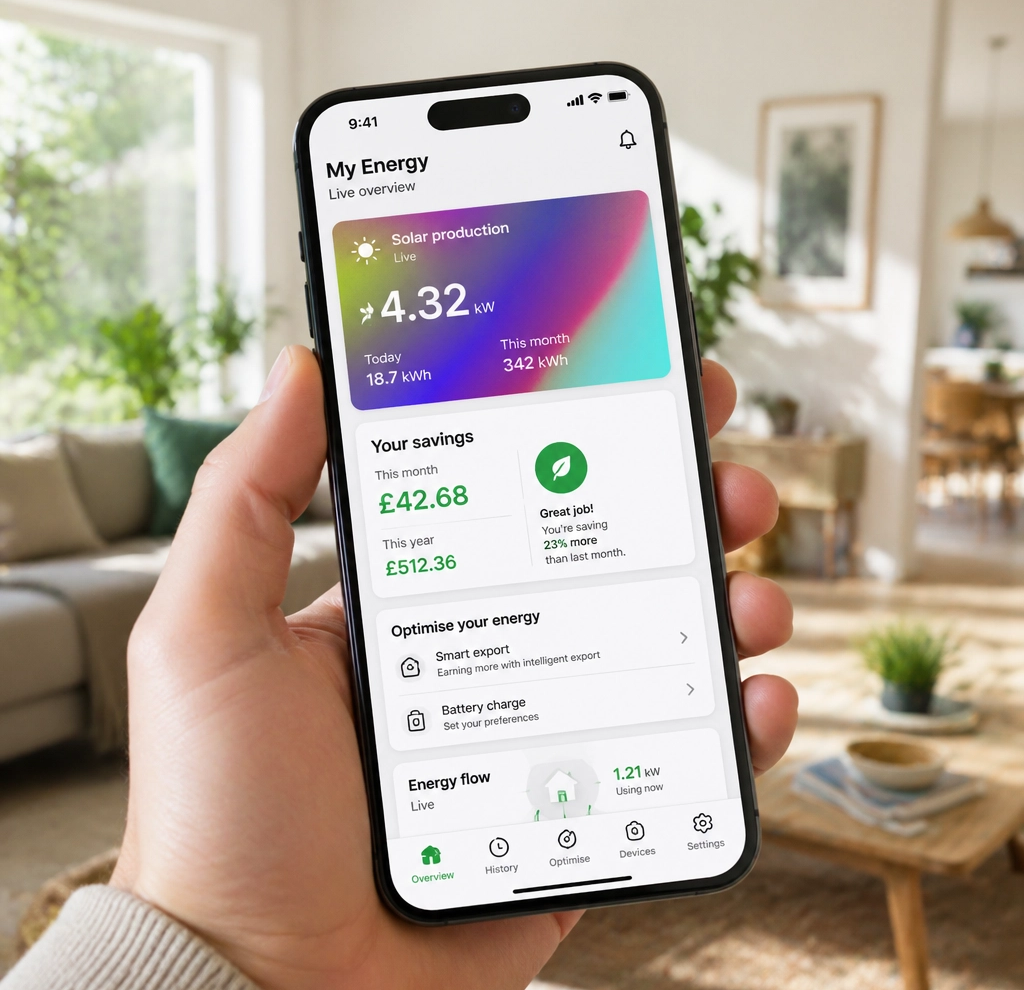
Not only do you save money by not buying electricity from the grid, but you can also earn money by selling your excess energy back to them. This is called the Smart Export Guarantee (SEG).
While the rates vary between different energy suppliers, it’s a nice little "bonus" that gets knocked off your bill or paid into your bank account every few months. It might not make you a millionaire, but it definitely helps speed up that payback period.
8. Quality Components vs. Budget Options
Like most things in life, you get what you pay for. There are "budget" solar panels available, but we always recommend sticking with Tier 1 manufacturers. High-quality panels:
- Are more efficient (they turn more light into electricity).
- Degrade slower (they’ll still be working well in 25 years).
- Come with much better warranties.
If a deal looks too good to be true, check the warranty terms. A panel that breaks after 5 years is a very expensive panel indeed!
9. The 0% VAT Benefit
Currently, the UK government has a 0% VAT rate on energy-saving materials, including solar panels and batteries, when they are installed by a professional. This is a huge saving of 20% compared to standard home improvements!
This incentive is designed to make renewable energy for homes more accessible, but it won’t last forever. It’s one of the best reasons to look into available grants and installation options sooner rather than later.
10. How Solar Impacts Your Property Value
Finally, let's talk about the house itself. More and more homebuyers are looking for "future-proofed" homes. A house with solar panels and a battery is much more attractive to a buyer who is worried about high energy bills.
Studies have shown that improving your home's EPC (Energy Performance Certificate) rating can actually increase the sale price. So, while you're enjoying lower bills today, you're also building equity for tomorrow.
Ready to take the next step?
We know that a lot goes into the decision to switch to solar. It’s a big project, but the rewards: both for your bank balance and the planet: are even bigger.
At Herofix, we specialise in making the process simple. From the first chat to the moment your meter starts spinning backwards, we’re here to help. We don't just do solar either: we can help you integrate heat pumps and efficient boilers to create a truly modern, low-carbon home.
Why not see how much you could save? Get a free, no-obligation quote from the Herofix team today!