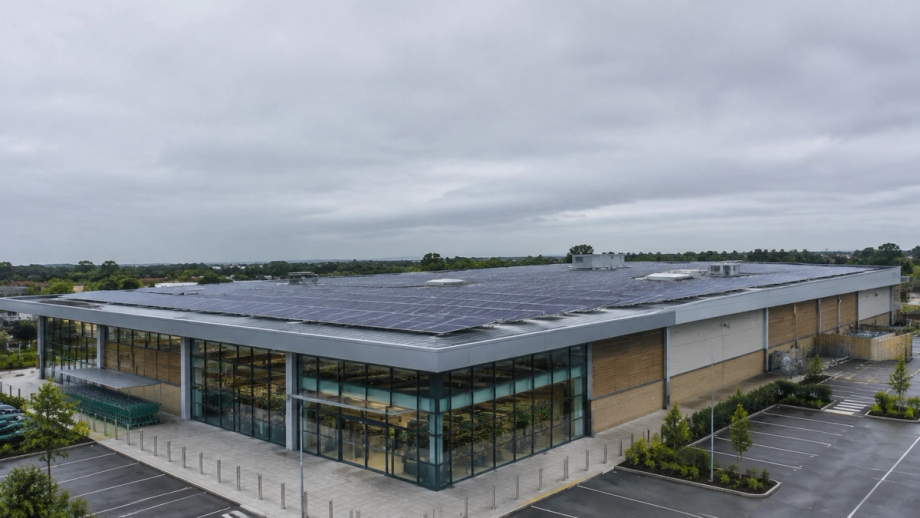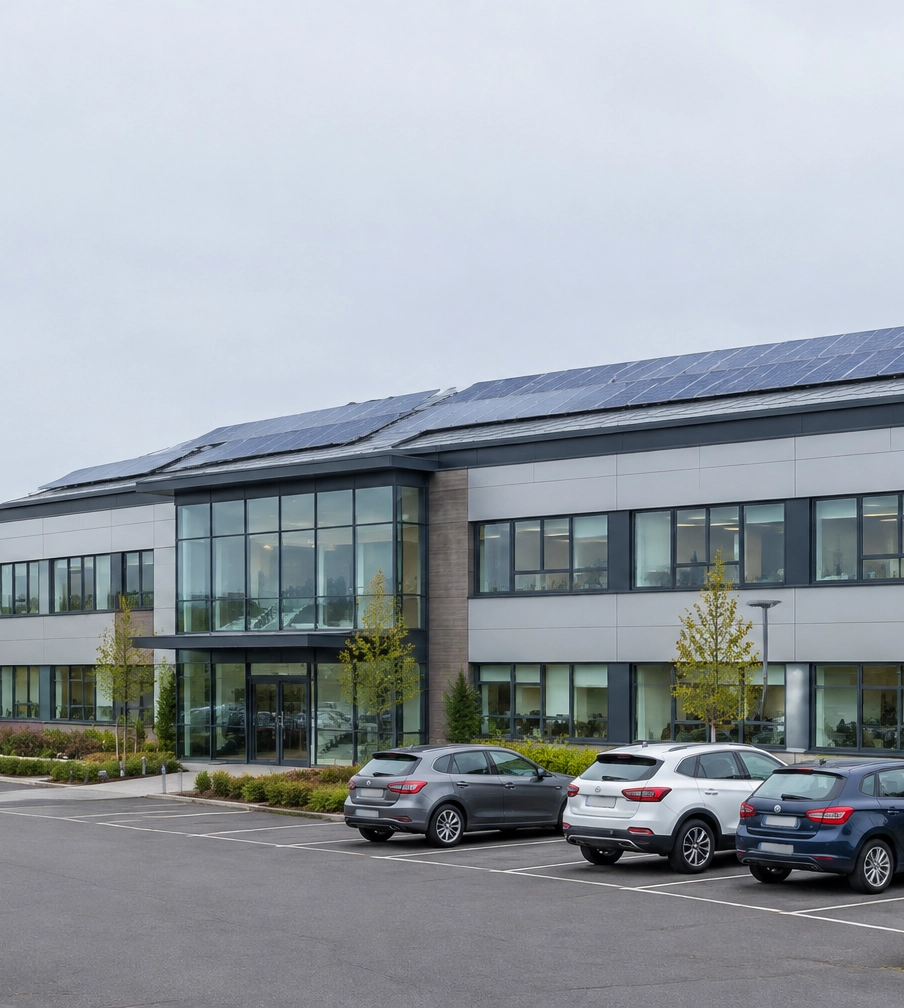
Illustrative image; it does not depict the King James VI Business Centre.
What happened in Perth?
A recent commercial solar project in Perth offers a useful example for property owners weighing up rooftop generation and energy costs. Reported by Insider Media on 21 October 2026, the project is at the King James VI Business Centre in Perth.
Castlecroft Group installed an 89.28 kW solar PV system at the building. The project is expected to generate more than 70,000 kWh of renewable electricity a year, meet around 32% of the building’s energy demand and save more than £4,700 in energy costs in its first year. Those figures are forecasts, not guaranteed outcomes.
Herofix had no involvement in the project. This is an independent look at what was reported, and what other commercial property owners might learn from it.
Who are Castlecroft Group?
Castlecroft Group is a Scottish commercial property company that manages more than 200 commercial properties across Perth and Dundee. Its Perth business centre is one building in a wider property portfolio, making the project relevant both to owners of individual premises and to businesses considering energy upgrades across several sites.
For property owners in Perth and Kinross, it is also a recent example of commercial solar being installed locally, not just a theoretical option for a distant or unusually large site.
Why does solar work for a business centre?
Solar generation is most useful when a building can use the electricity as it is produced. A business centre generally has daytime electrical demand from occupants, lighting, heating and ventilation. That demand can overlap with the hours when the solar panels are generating.
According to the report, almost all of the system’s output is expected to be consumed on site. That matters: electricity used directly by the building can be more valuable than electricity exported to the grid. The forecast that the panels will meet around 32% of the building’s energy demand therefore gives a helpful indication of how much of its use the system could cover, not just how much it might generate.
It’s also a reminder that the right system size depends on more than roof area. The building’s electricity use, when that use happens, the roof itself and the grid connection all help determine whether a project makes sense.
What does the installation include?
The rooftop installation comprises 144 solar panels, with a combined capacity of 89.28 kW. Dividing that capacity across the panels implies roughly 620 W per panel. The project is forecast to generate more than 70,000 kWh of renewable electricity annually and reduce carbon emissions by around ten tonnes a year.
A 100 kWh battery storage system is also due to be installed. A battery does not generate additional electricity; it stores some of the solar power produced during the day so it can be used later. That can increase the share of renewable electricity used on site and reduce reliance on the grid.
The project was delivered by HDM Energies and funded by Paragon Bank through a Power Purchase Agreement (PPA) model.
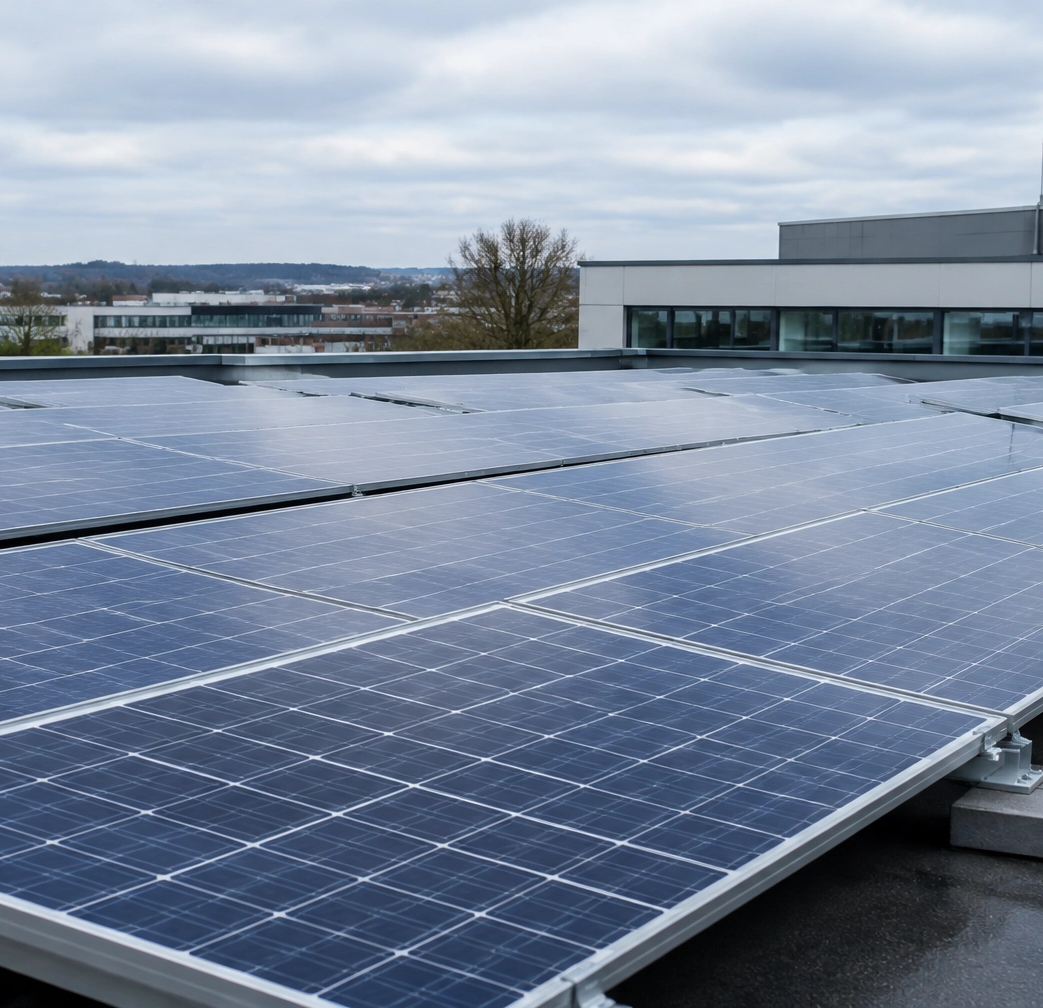
Commercial rooftop solar can be a good fit when a building uses electricity during the hours panels are generating.
How does the PPA work, and what are the trade-offs?
Under Castlecroft’s reported PPA arrangement, the funder owns and maintains the solar infrastructure. Castlecroft buys the electricity generated on site at a fixed rate of 15p per kWh for 12 years, with no upfront capital investment for the system. The reported programme has been taken up by roughly 100 organisations across the UK, including schools, farms, manufacturers, care homes, charities, sports facilities and retail sites.
A fixed rate can make energy costs more predictable. Ofgem’s 26% rise in the domestic price cap from January 2027 has underlined how exposed variable tariffs can be to market changes. The cap applies to domestic standard variable tariffs, not business energy contracts, but businesses can face price volatility too. For a property owner considering a PPA, the practical question is: how does the proposed fixed rate compare with what you currently pay for grid electricity, and what level of certainty is worth to you?
There are important trade-offs. The property owner does not own the solar asset during the contract, so the capital value and any residual benefit at the end sit with the funder. Twelve years is a long commitment to one supplier of on-site electricity. If grid prices fall well below the agreed rate, the arrangement may look less attractive in hindsight. And projected savings over the term are forecasts: they depend on how the building is used and on future energy prices.
Buying a system outright is the alternative. The owner keeps the asset and the full value of the electricity it generates, but needs capital to fund the installation. Neither option is automatically better. The choice depends on the organisation’s finances, the property and how long it intends to hold it.
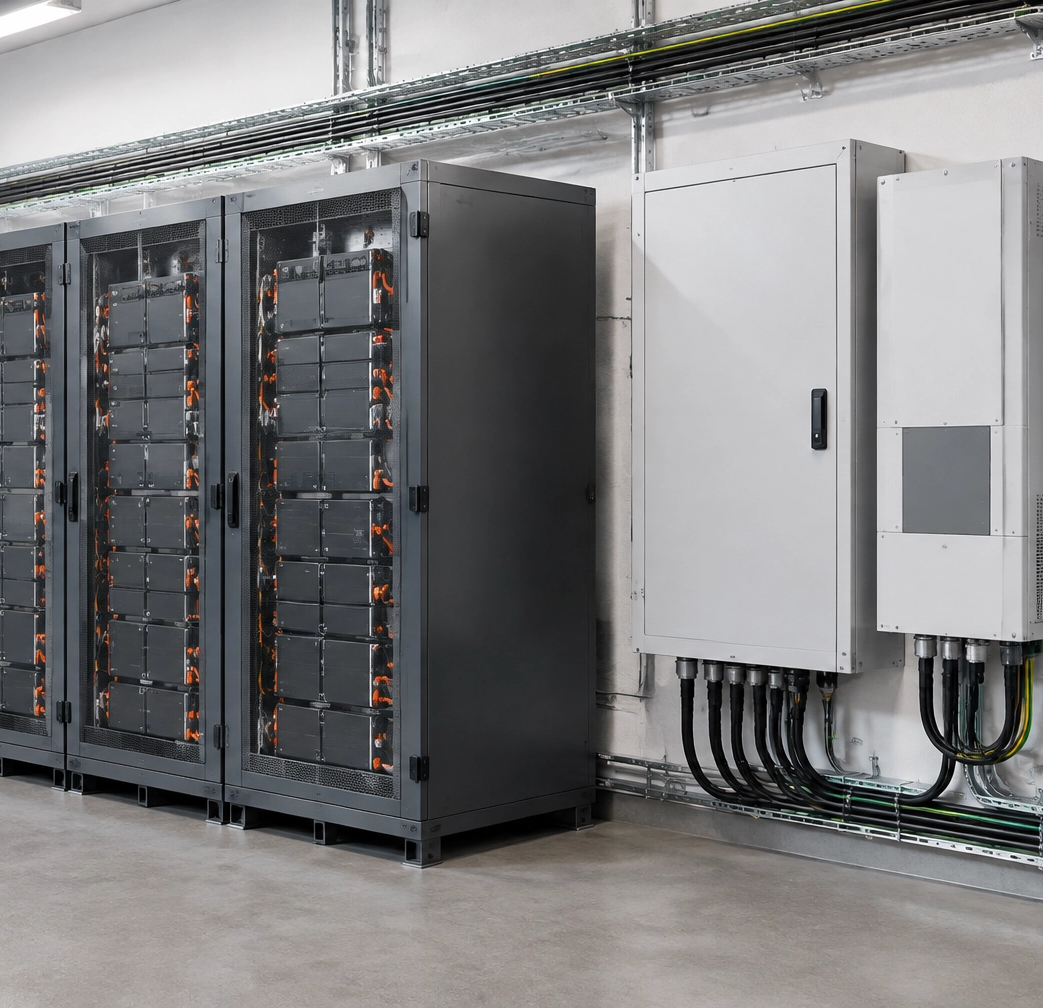
Battery storage can help a building use more of its solar electricity after the panels stop generating.
Castlecroft’s own words
Jordan Black, managing director of Castlecroft Group, said, as reported by Insider Media:
> “Through this scheme, we've been able to reduce our carbon footprint immediately without significant upfront capital investment, all while delivering long-term energy cost savings and price stability.”
He also said:
> “Sustainability has become a core part of our long-term business strategy and by investing in renewable energy, not only are we improving the EPC rating of our building, we're also protecting the environment and building a more sustainable future for our company, our clients and our community.”
What can other property owners take from it?
For a multi-site owner, a project at one building can be a practical first step. Castlecroft manages more than 200 properties, but this installation is at one business centre. The broader lesson for organisations with several premises is to assess one suitable roof, understand how well generation matches the building’s electricity use, and use those findings to inform any wider programme.
Connection requirements also matter. As a general rule, an 89 kW commercial system is well above the G98 microgeneration threshold of 16 A per phase (3.68 kW single phase). A system of this size would need a G99 application and distribution network operator (DNO) approval before connection. That is a general requirement for systems at this scale, not a claim about the specific paperwork for Castlecroft’s project.
Before choosing an ownership or funding route, property owners should compare the proposed electricity rate with their current business tariff, check the length and terms of any agreement, and assess the roof, energy use and grid connection. A battery may be worth considering too, particularly where storing surplus daytime generation could help meet demand later.

An assessment of the roof, electricity use and grid connection helps establish which options may suit a property.
Frequently asked questions
A solar Power Purchase Agreement is a contract in which a funder owns and maintains the solar equipment, while the site owner buys the electricity it generates at an agreed rate. In Castlecroft’s reported arrangement, that rate is 15p per kWh for 12 years, with no upfront capital investment for the system.
It depends on the installation and site. The 89.28 kW King James VI Business Centre system is forecast to generate more than 70,000 kWh a year.
Not automatically. A PPA can avoid upfront capital costs and provide a fixed rate for generated electricity, but the funder owns the asset during the agreement and the contract is a long-term commitment. Buying outright requires capital but leaves the owner with the asset and the value of its generation. The right choice depends on the property and the owner’s finances and plans.
Systems above the G98 threshold generally need a G99 application and DNO approval before connection. An 89 kW system is well above that threshold. The specific connection requirements should be checked for each project.
A battery stores surplus solar electricity so it can be used later. It does not generate more electricity, but it can increase how much of a system’s generation is used on site and reduce reliance on grid electricity.
Considering solar for your commercial property?
The Castlecroft project shows how solar can be considered alongside a building’s electricity demand, funding preferences and longer-term property plans. If you own or manage commercial premises in Perth, Dundee, Perth and Kinross or elsewhere, Herofix can provide a free assessment of your roof, electricity use and grid connection, then talk through the ownership and funding options available for your property.