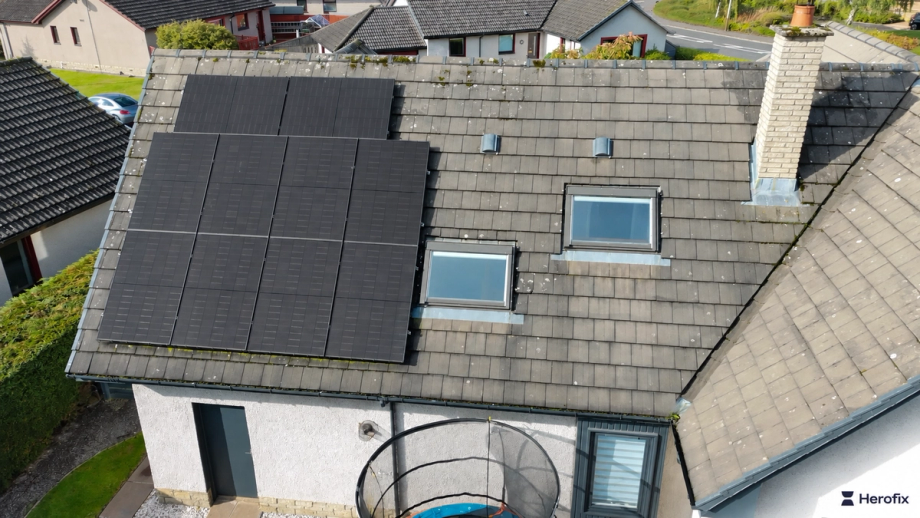
If you’re considering solar panels, battery storage or a heat pump for your home, the upfront cost can be a significant part of the decision. The Warm Homes Loan Scheme, launched on 27 October 2026, is a UK-wide finance option that includes Scotland. It may help eligible homeowners and private landlords spread the cost of certain energy improvements.
It is important to be clear about what the scheme offers: this is borrowing, not a grant. Loan amounts, interest rates and repayment periods depend on the lender, and you’ll need to pass its affordability checks. Here’s what Perthshire households should know before requesting a quote or applying.
What is the Warm Homes Loan Scheme?
The Warm Homes Loan Scheme is government-backed finance provided through participating lenders. Depending on the lender and product, loans may be interest-free or offered at a reduced rate, up to five percentage points below standard bank rates. Repayment terms can be as long as 30 years, but those are maximums, not guaranteed offers.
You apply to a participating lender, an installer or retailer arranging finance, or potentially your mortgage provider. You do not apply to the government for the loan itself. Lenders set their own terms and carry out credit and affordability assessments.
Eligible improvements include solar photovoltaic (PV) panels, battery storage, heat pumps, biomass boilers, heat network connections and some micro-renewables. You can apply to finance more than one improvement, subject to the scheme rules and the lender’s offer.

How much can you borrow?
The scheme sets maximum loan amounts by technology. These are caps, not guaranteed loan offers: the lender may offer less, and the amount you can borrow depends on its checks and product conditions.

If you’re planning a combined project, such as solar panels and a battery, ask the lender how it treats each measure, associated installation work and the total project cost. The published caps don’t mean every application will qualify for the maximum.
For homeowners in Scone, Bridge of Earn and Kinross, solar and battery finance could be worth exploring if the roof, electrical set-up and household energy use make the combination suitable. In off-gas-grid homes around Dunkeld, Aberfeldy and Pitlochry, a heat pump may be one option to assess. The right system depends on the property, not simply the postcode.

Can you combine the loan with Home Energy Scotland funding?
Potentially, yes. Scottish homeowners may be able to use the Warm Homes Loan Scheme alongside support from Home Energy Scotland, subject to the terms of both schemes. For eligible clean-heating systems, Home Energy Scotland’s current Grant and Loan offer can include grant funding and an optional interest-free loan. A £1,500 rural uplift may be available for qualifying rural and island homes.
That uplift is not automatic for every Perthshire address. Eligibility depends on the official rural classification and, for some areas, whether the property is off the gas grid. Contact Home Energy Scotland to check your postcode and the current rules before making plans.
Funding from two schemes must not pay twice for the same improvement or cost. Ask Home Energy Scotland and your prospective Warm Homes lender how to structure your project and what paperwork they require. The Home Energy Scotland scheme also has its own eligibility rules: it is aimed at homeowners who live in the property as their only or primary private residence, and it is not the route for private landlords.
For an overview of support options, see Herofix’s available grants page. Always check scheme details directly before committing, as funding availability and conditions can change.
How do I apply in Scotland?
A practical starting point is to understand what your property needs and obtain a written quote from an MCS-certified installer. The scheme requires eligible improvement work to be carried out by an MCS-certified installer; use the MCS installer search to check credentials.
Then:
Get a suitable quote. Ask for an itemised proposal for the technology and work you’re considering. If you’re looking at a heat pump, the installer should assess your home and explain the system design.
Check grants and scheme conditions. Contact Home Energy Scotland if you may qualify for Scottish support. Confirm how any grant would affect the amount you need to borrow.
Compare participating lenders. The GOV.UK lender list names the lenders currently offering Warm Homes loans. Ask about interest, fees, repayment term, early repayment conditions and whether the lender accepts your chosen installer.
Apply through the lender or its finance route. The lender will assess your application, including affordability and creditworthiness. Don’t assume that a long maximum term or a particular interest rate will be available to you.
Review the full cost before agreeing. Check the monthly repayment and total amount repayable, and make sure the repayments fit your budget.

Herofix supplies and fits solar panels, battery storage and heat pumps. If you’re weighing up a project, you can request a quote and use it to compare your options. A quote is not a loan offer, and finance should be arranged separately with a participating provider.
Can landlords apply?
Yes. Private landlords who own a UK residential property can apply, subject to the scheme requirements and the lender’s own eligibility and affordability checks. A lender may have additional conditions, so confirm that the property and proposed work meet its criteria before proceeding.
This differs from Home Energy Scotland’s homeowner Grant and Loan scheme, which is intended for people who own and live in their home as their only or primary private residence. Landlords should check which support applies to their circumstances rather than assuming the same Scottish grant conditions will apply.
Is the Warm Homes Loan Scheme interest-free?
Sometimes, but not always. Some participating lenders may offer interest-free loans; others may offer reduced-interest finance. The scheme’s headline reduction of up to five percentage points is not a promise of a particular rate. Compare the actual rate, fees, repayment schedule and total amount repayable for the offer you receive.
What about the Warm Homes Local Grant?
The Warm Homes Local Grant is a separate scheme for eligible households in some areas of England. It is not the Warm Homes Loan Scheme and is not the Scottish route for funding home improvements. Scottish homeowners should check the Warm Homes Loan Scheme and Home Energy Scotland support instead.
Frequently asked questions
A government-backed finance scheme, delivered through participating lenders, to help eligible property owners borrow towards specified energy-saving improvements. It launched on 27 October 2026 and is available across the UK, including Scotland.
The maximum depends on the technology: for example, up to £15,000 for solar PV or battery storage, £20,000 for an air-to-water heat pump and £35,000 for a ground-source heat pump. These are caps, not guaranteed offers. The lender decides what it can offer after its checks.
You may be able to combine the loan with Home Energy Scotland funding, subject to both schemes’ terms. The same improvement or cost cannot be funded twice. Check your eligibility and the correct funding structure with Home Energy Scotland and the lender.
Get a quote from an MCS-certified installer, compare the lenders listed on GOV.UK and apply through a lender or an installer or mortgage provider arranging its finance. You don’t apply to the government for the loan.
Yes, private landlords who own a UK residential property can apply, subject to scheme requirements and the lender’s own checks. Home Energy Scotland’s homeowner grant scheme has different eligibility rules and is not for landlords.
For Perthshire homeowners, the scheme could make a planned energy upgrade easier to finance, but it doesn’t remove the need to compare costs carefully. Get a property-specific quote, check available Scottish support, and compare lender offers based on the total repayment, not just the monthly figure.