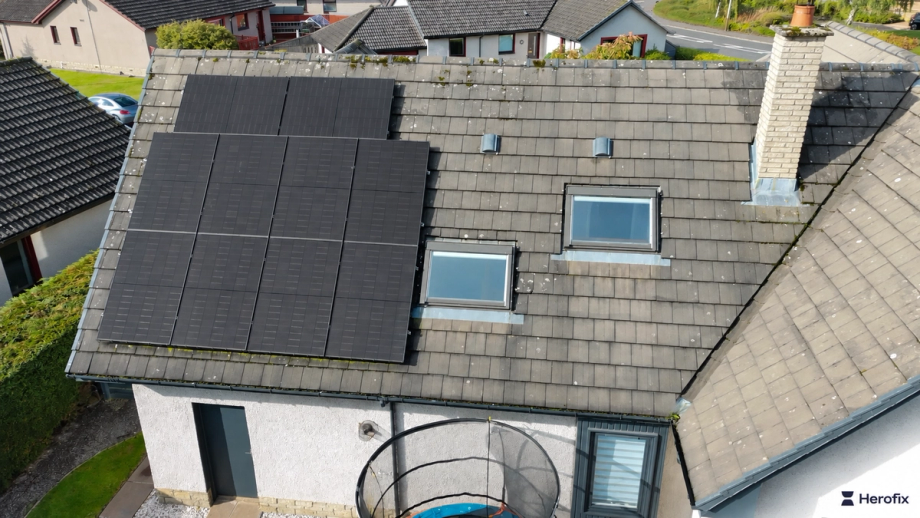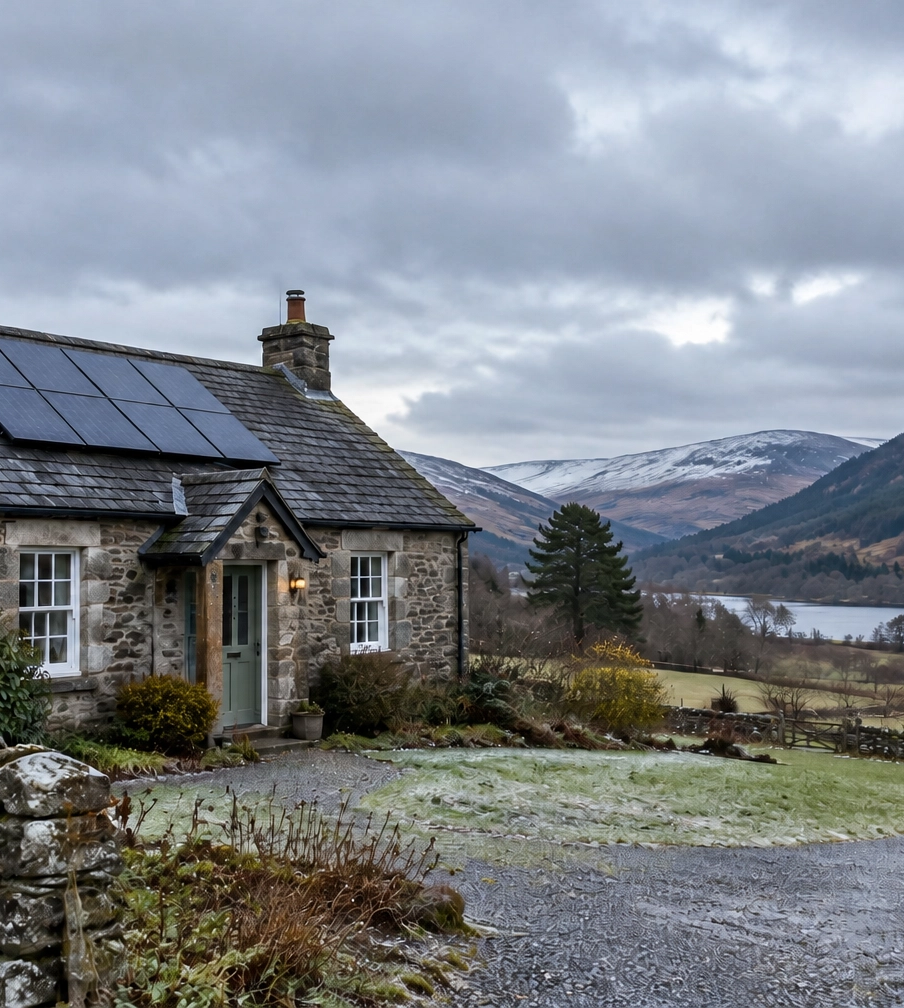
The UK Government’s Be Ready campaign, launched on 22 October 2026, encourages households to take simple steps to cope with temporary disruption for up to 72 hours. That might include a power cut after severe weather, alongside interruptions to water, phone or internet services. It is practical preparation, not a prediction that a major outage is about to happen.
For homes in Perth, Scone, Bridge of Earn, Blairgowrie, Crieff, Kinross and further into Highland Perthshire, it makes sense to include energy in that plan. Rural and off-gas-grid households may rely on electricity for heating controls, water pumps, communications and other everyday essentials. Solar panels and a home battery can help in some outages, but only if the system is designed to provide backup.
What does the Government’s 72-hour advice involve?
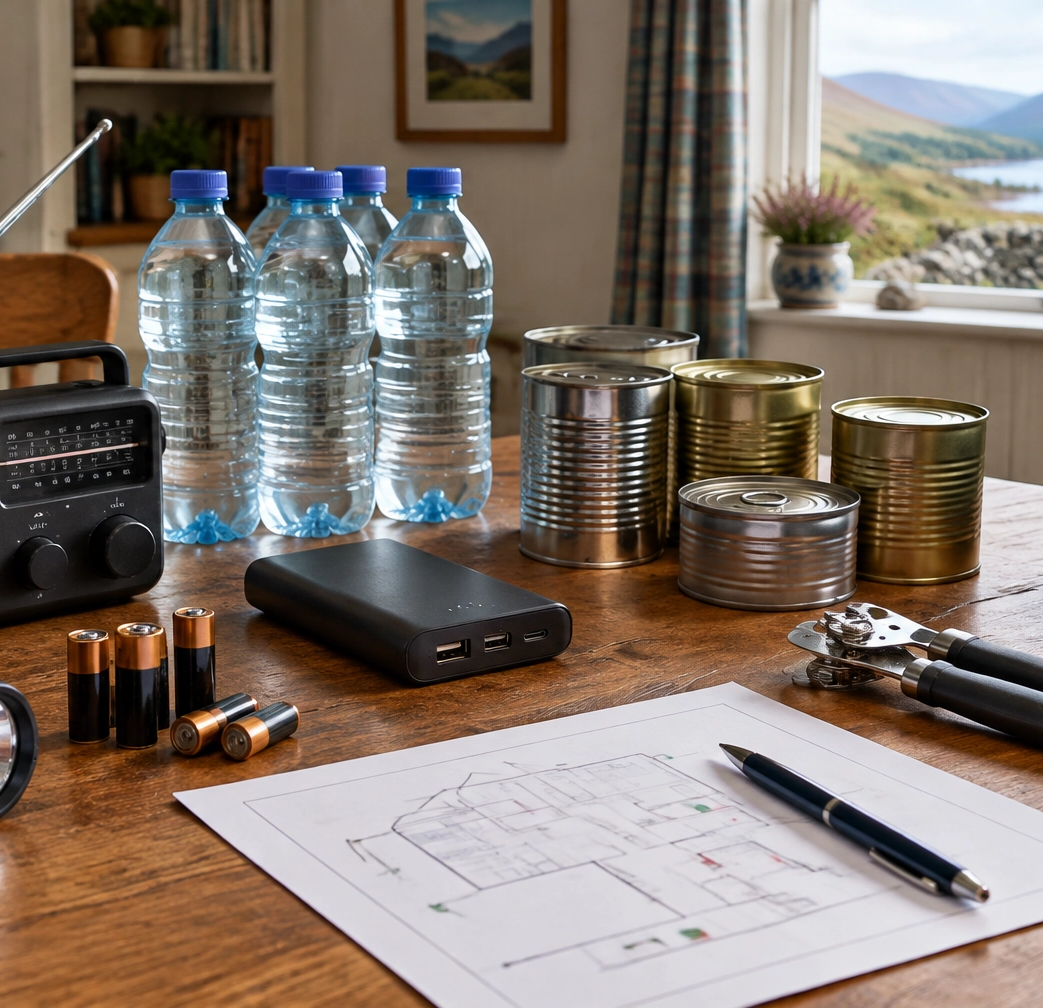
The Government’s Be Ready campaign recommends being prepared to manage for three days if everyday services are temporarily disrupted. Its power-cut guidance includes having:
- Bottled water and non-perishable food. The guidance suggests at least three litres of water per person per day.
- A torch and spare batteries, plus a battery-powered or wind-up radio.
- A first-aid kit, essential medication and a charged portable power bank.
- A household emergency plan, including how you will get updates and contact one another.
- Supplies for babies, pets or anyone with additional needs.
- A small amount of cash in case card payments or cash machines are unavailable.
If you are eligible for additional support, sign up to the Priority Services Register (PSR). It is free and can help utility companies identify people who may need extra assistance during an interruption. In Scotland, this may include people with a disability or chronic illness, those who use electrically powered medical equipment, households with children under five, people over 60, and people who temporarily need extra support. Check with your energy supplier and electricity network about registering.
In a power cut, call 105 to report the fault or find out which network operator serves your area. The call is free in Scotland. You can also use Power Cut 105 to find your network operator and check for updates.
Do solar panels work during a power cut?
Usually, not on their own. A standard grid-connected solar inverter is designed to switch off when the electricity network fails. This safety feature, known as anti-islanding, helps prevent electricity being fed back into lines while engineers work on them.
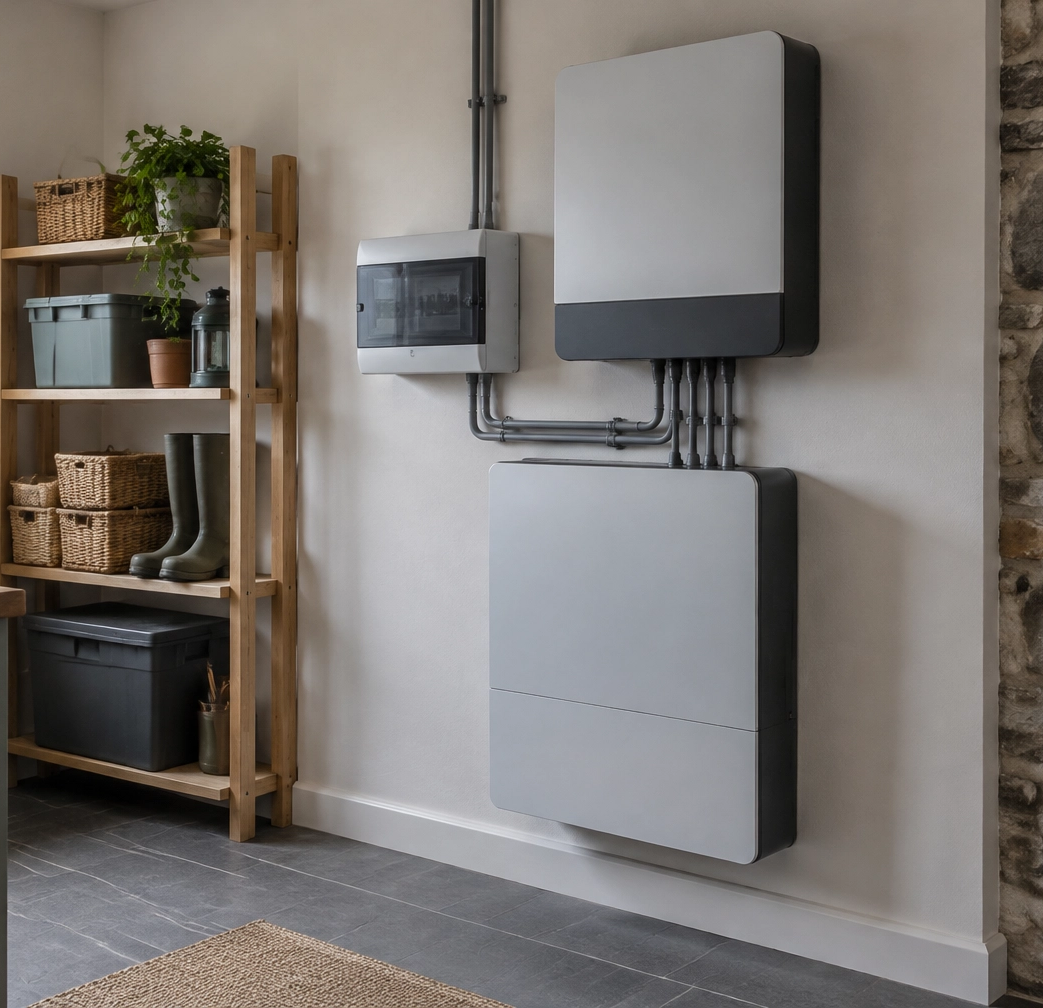
A battery does not automatically change that. To provide backup, the system needs suitable battery and inverter features, a way to isolate the home from the grid, and appropriate electrical configuration. This is often described as backup or islanding capability. Some systems use an emergency power supply (EPS) output or selected backup circuits. The exact arrangement depends on the equipment and installation.
That means a solar-and-battery system designed only to store electricity for normal use may not power your home during an outage. Ask your installer to confirm, in writing, which circuits will work, what the system can supply, and what happens if the battery is depleted. Herofix supplies and fits solar panels and home batteries locally, and can help homeowners discuss what a backup-capable design would involve.
Essential circuits or whole-home backup?
For many households, it is more practical to prioritise a few essentials than to try to run everything as normal. A backup circuit might include selected lights, a fridge, Wi-Fi equipment, phone chargers and heating controls. Your installer can assess whether these can be connected safely and whether the inverter can meet their combined demand.
Whole-home backup may be possible with suitable equipment, but it is not the default and can require a larger system and more extensive electrical work. High-demand appliances (such as an electric shower, cooker, immersion heater or heat pump) can use a lot of power. Motors and compressors may also need extra power briefly when starting. A system’s maximum output matters as well as the battery’s stored energy.
A simple way to think about energy use is: watts × hours ÷ 1,000 = kilowatt-hours (kWh). For example, an appliance drawing 100 watts for 10 hours uses 1 kWh. Actual use varies: a fridge cycles on and off, while lighting and network equipment differ by model. Ask your installer to base any estimate on your appliances and expected use, rather than relying on a generic battery-size rule.
Heating deserves particular attention in Perthshire. A gas or oil boiler may still need electricity for its controls, pump or ignition. A heat pump generally has a much larger electrical demand than these controls, so keeping it running may require a system designed for that load. In an outage, warm layers, blankets, closed curtains and shutting doors to unused rooms remain important.
How long can a battery run essential appliances?
There is no fixed answer. Runtime depends on the battery’s usable capacity, its state of charge when the cut begins, inverter limits, appliance demand and how much energy is available from solar during the outage.
Winter daylight in Perthshire can be limited, and solar generation varies with weather, roof orientation and shading. A system that can recharge from solar during an outage may extend backup, but that depends on its design and conditions. Do not assume panels will keep a battery full through several grey winter days.
A sensible design conversation starts with a list of essentials and how long you would want to run them. Think about whether you need a fridge continuously, lighting for a few rooms, internet for information, phone charging, or power for a water pump. Decide what can be switched off. Your installer can then consider both battery capacity (how much energy is stored) and inverter output (how much power can be supplied at once).
What about an EV charger?
A standard EV charger is not usually a home backup supply. Some vehicles and charging systems can support vehicle-to-home power, but this requires compatible equipment and a properly configured installation. Unless you have confirmed that capability and practised using it, treat your electric vehicle as transport, not as your emergency generator.
If you own an EV, include it in your wider plan: keep enough charge for essential journeys when severe weather is forecast, and make sure you know how to release the charging cable if a power cut occurs. Never improvise electrical connections between a vehicle and your home.
A Perthshire power-cut checklist
Whether you live in a town, a rural village or a remote glen, use this checklist to get started:
Save 105 in your phone and write it on paper. Keep the Be Ready power-cut advice and your network operator’s contact details somewhere accessible.
Prepare for three days: water, food that can be eaten without cooking, a tin opener, torch, spare batteries, radio, first-aid supplies, medication and a charged power bank.
Make a household plan. Note important contacts, where supplies are kept, how you will receive updates and who will check on children, older relatives, neighbours or pets.
Check additional support. If you or someone in your household may need it, contact your supplier and network about the PSR. SSEN explains its Priority Services, including tailored power-cut updates and a personalised plan.
Plan for local needs. Rural properties may depend on electric pumps for private water supplies, or need electricity for heating controls. Perth & Kinross Council provides information about private water supplies. Consider how you would manage if a pump or another electrically powered system stopped.
If you have solar and a battery, check the backup details. Confirm which circuits are covered, how to check the battery’s charge, whether solar can recharge it during an outage, and what to do if the system switches to backup mode.
Know the basic safety steps. During an outage, keep fridge and freezer doors closed, use a radio for updates, unplug sensitive equipment where appropriate and stay well away from fallen power lines. Never use a barbecue or outdoor heater indoors.
Preparing without overcomplicating it
A few well-chosen supplies and a clear household plan can make a temporary power cut easier to manage. Solar panels and battery storage may add useful backup, but only when the equipment and wiring are specifically set up for operation during an outage. They are one part of emergency preparation, not a substitute for water, food, a radio, a plan or support from your network operator.
If you are considering a backup-capable solar and battery system for your Perthshire home, speak to Herofix about your property, essential circuits and the options available.
Frequently asked questions
A standard grid-tied solar system will normally shut down during a power cut for safety. Solar can continue to supply some power only if the system is designed to operate independently of the grid, with compatible backup equipment and suitable electrical configuration.
It can, if the battery and inverter support backup operation and the installation includes the necessary isolation and wiring. Depending on the system, it may power selected essential circuits rather than the whole home. Check the specification with your installer.
It depends on usable battery capacity, the power draw of connected appliances, the battery’s charge at the start of the outage and whether solar can recharge it. Ask for an estimate based on your actual appliances and intended usage.
There is no single size that suits every home. List the appliances you want to run, their power requirements and how long you want them to operate. An installer can then assess battery capacity, inverter output, backup circuits and any larger loads such as a heat pump.