Octopus Flux is a time-of-use electricity tariff designed for homes with solar panels and a battery. It rewards careful timing: import electricity when it is cheaper, use solar generation during the day, and consider exporting stored energy during the evening peak.
For homeowners in Perth and Kinross, there’s an important caveat before you start: as of November 2026, Octopus Flux and Intelligent Octopus Flux are paused for new customers. Existing customers are unaffected, but check directly with Octopus for the latest availability before making plans. This guide explains how Flux works, how existing customers can make the most of it and how to prepare if the tariffs reopen.
How Octopus Flux works
Flux has three fixed daily time windows. The off-peak period is 02:00–05:00; the peak period is 16:00–19:00; and the standard rate applies during the rest of the day. It covers both electricity you import and electricity you export.
At the time of writing, the following South Scotland rates can be used as an illustration:
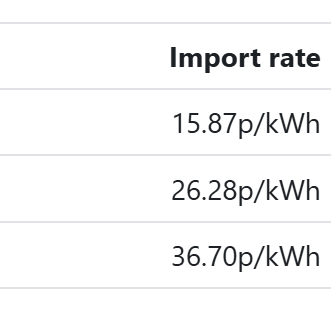
These are illustrative South Scotland rates from November 2026, not a promise of what you will pay or earn. Rates vary by region and can change. Check current rates with Octopus Energy before making a decision. Standing charges and your household’s actual import and export also affect the bill.
The basic idea is three-way energy management: charge the battery from the grid overnight when the import rate is lower, use your own solar during the day, then potentially export stored energy during the evening peak. The right balance depends on your home, battery, solar generation and electricity use.

A step-by-step guide to getting ready for Flux
1. Check whether Flux is available
As of November 2026, both standard Flux and Intelligent Flux are paused to new customers. If you already have one of these tariffs, Octopus says existing customers are unaffected. If you are considering switching, check the latest information on the Octopus Flux page and its Intelligent Flux page. Don’t assume a tariff is open because you read an older guide or see outdated rates online.
If sign-ups are still paused, ask Octopus whether you can register your interest or join a waitlist. In the meantime, compare current alternatives, including available export tariffs and any import tariff that suits your home. If you are offered a Smart Export Guarantee (SEG) tariff, compare its export rate and terms with the import tariff you would use. Don’t assume one option will be better without checking your own usage.
2. Confirm your home meets the eligibility requirements
For standard Flux, you’ll generally need:
- Solar panels and a home battery.
- An MCS- or Flexi-Orb-certified installation.
- A SMETS2 or compatible SMETS1 smart meter capable of providing half-hourly readings.
- Both your import and export supplied by Octopus.
- An export MPAN assigned to your property.
If you’re unsure about your system’s certification or export MPAN, check your installation paperwork and ask your installer or supplier. Octopus can confirm its current requirements and whether your meter is compatible.
Homes around Perth, Scone and Bridge of Earn may find it straightforward to check meter connectivity, while some more rural properties in Highland Perthshire may need to confirm whether the smart meter can reliably send readings. Check this before making plans around a smart tariff.
3. Understand which version you have
With standard Octopus Flux, you schedule your battery charging and discharging yourself, using your battery or inverter controls.
Intelligent Octopus Flux is designed to automate battery scheduling, but it requires a compatible battery model that Octopus can connect to. Compatibility can change, so check the current in-account list rather than relying on a general list of brands. Intelligent Flux is also paused for new customers as of November 2026.
4. Review your solar, battery and household use
Before changing settings, note how much solar your home generates, when your household uses electricity and how much usable battery capacity you have. Your inverter or battery app may help you review this.
A stone cottage in Perth with limited roof space may have less surplus solar to export than a home with a larger array. Homes around Dunkeld, Aberfeldy and Pitlochry also face long winter nights and shorter winter days, so solar generation can vary substantially by season.
A smaller battery may still help shift some energy into the evening, but it may have limited capacity for both household use and peak export. Compare the potential value of exporting a unit of stored electricity with the cost of importing and storing it, allowing for energy lost during battery charging and discharging. A tariff alone cannot make a small system profitable.
5. Set a sensible schedule on standard Flux
If you are already on standard Flux, use your battery controls to plan around the tariff windows. A starting point might be to charge during the 02:00–05:00 off-peak period, allow solar to charge the battery during the day, then consider discharging or exporting during 16:00–19:00.
Avoid simply setting every battery to fill overnight and empty completely at peak time. Keep enough charge for your home if that is important to you, and check your battery’s minimum reserve, power limits and manufacturer guidance. A household with an electric vehicle or high evening demand may want to keep more stored energy for its own use.
If you have Intelligent Flux, Octopus manages battery scheduling, so follow the supplier’s instructions and monitor the app rather than duplicating a manual schedule.
6. Adjust for Perthshire seasons and your routine
A schedule that suits a bright summer day may not work well in winter. In summer, solar may cover more daytime demand and leave surplus energy for export. In winter, especially in Highland Perthshire, short days and low generation can mean the battery relies more on grid charging.
Think about when you use electricity, too. An EV owner may need to decide whether the battery is serving the house, supporting export or helping with vehicle charging. Homes that are off the gas grid may have significant electricity demand from heating or hot water; consider how that demand fits with battery capacity and tariff periods before prioritising export.
Rural power cuts are another consideration. Grid charging does not rely on sunshine, but it only works while the grid supply is available. A standard grid-connected solar-and-battery system may shut down during an outage unless it has suitable backup capability. Check your equipment and installation if backup power matters to you; a tariff is not a substitute for an outage-ready system.
7. Check the arithmetic after a month
After a month, compare your half-hourly import and export data with your bills or app records. Look at how much electricity you imported in each window, how much you exported at peak and standard rates, and how much solar energy you used at home.
The key comparison is not simply “cheap charge versus high export”. Consider the cost of charging, the export income you actually received, the energy lost in the battery, and any solar electricity you could have used at home instead. Include your standing charge when comparing tariffs, and remember that one month, particularly a sunny summer month, won’t necessarily represent the whole year.
If the figures don’t suit your household, review your settings or compare other available import and export tariffs. Avoid making decisions based on promised savings or annual income estimates: your outcome depends on your system, usage, weather and the rates in force.
For information about Herofix’s solar panel installations and home batteries, visit our website.
Frequently asked questions
Flux rates are regional, and the rates in this guide are for South Scotland for illustration. As of November 2026, Flux and Intelligent Flux are paused for new customers. Check current availability and your postcode’s rates directly with Octopus.
There is no guaranteed amount. Export income depends on the current rates, your location, how much electricity you export and when you export it. Check Octopus’s current export rates and your own half-hourly data.
Yes. Flux is intended for homes with both solar panels and a home battery. Solar-only or battery-only homes may need to consider a different tariff.
With standard Flux, you schedule the battery yourself. Intelligent Flux can automate charging and discharging, but your battery must be compatible and approved for connection.
It depends on your equipment and energy use. Flux is designed around solar, battery storage and exporting electricity. Go is an alternative tariff to compare, particularly for households with an EV. Check current rates and compare your own import and export patterns rather than assuming one is better.
Not necessarily. Standard Flux requires a battery, but your installer should confirm that your system can be scheduled as needed. Intelligent Flux requires a compatible battery that Octopus can connect to; check its current compatibility information.
Check Octopus’s website for updates and ask whether you can register your interest. Meanwhile, compare available SEG export tariffs with suitable import tariffs, and reassess the figures if Flux becomes available again.