Dundee is a city that knows a thing or two about transformation. From our "Jute, Jam, and Journalism" roots to the stunning new Waterfront and the V&A, we’ve never been a city that stands still. But the next big change isn't happening down at the docks: it’s happening in our homes.
If you’re a homeowner in Dundee, you’ve probably heard whispers about the city's "Net-Zero" goals. Maybe you’ve seen the council’s new strategy documents or heard about "Heat Networks" coming to certain postcodes.
But what does this actually mean for you? Is it just more red tape, or is it a genuine opportunity to increase the value of your property?
At Herofix, we’ve been digging into the details of the Dundee Local Area Energy Plan (LAEP) to figure out exactly how the city’s green revolution affects your pocket.
What is the Dundee Net Zero target?
The short answer: Dundee aims to be a net zero city by 2045.
This isn't just a vague "green" promise. It’s a legally binding target set by the Scottish Government, and Dundee City Council has its own Net Zero Transition Plan to make it happen. The goal is to drastically reduce carbon emissions across the city, and since housing accounts for a massive chunk of those emissions, our homes are right in the firing line.
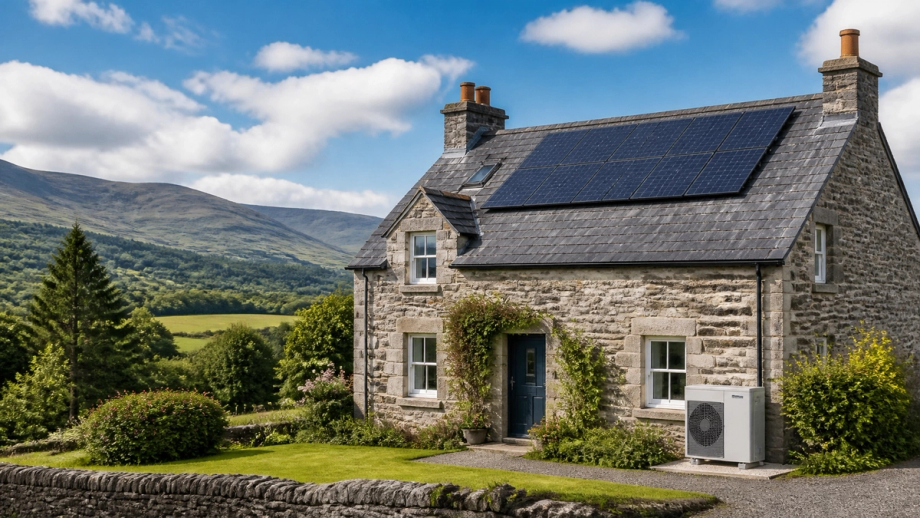
By 2030, the city wants to see a significant reduction in fossil fuel use for heating. That means moving away from traditional gas boilers and towards cleaner, more efficient alternatives like air source heat pumps and solar panels.
The Dundee Local Area Energy Plan (LAEP): A Homeowner’s Cheat Sheet
In September 2024, the council published its roadmap for how our energy will change. The Dundee Local Area Energy Plan (LAEP) is basically a giant masterplan for the city's pipes, cables, and walls.
For homeowners, there are three main takeaways:
Massive Retrofitting: The council has already invested over £59 million in external wall insulation for over 5,000 homes (both council and private). This trend is only going to accelerate.
The Rise of Heat Networks: In high-density areas (like the city centre and parts of Stobswell), the plan suggests "Heat Networks": centralized heating systems that multiple buildings plug into.
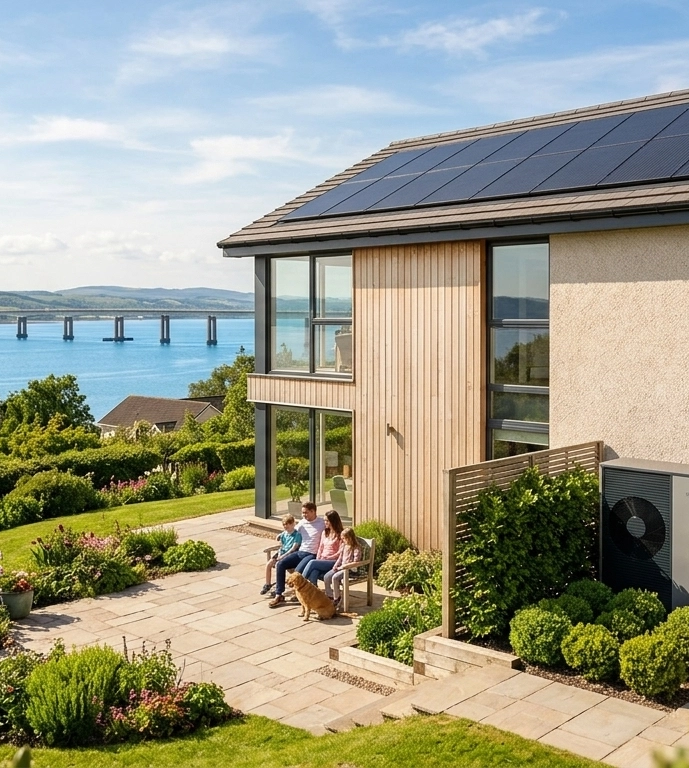
The Individual Solution: For most suburban homes: from the semi-detached houses in Douglas to the villas in Broughty Ferry: the plan leans heavily on solar PV, battery storage, and heat pumps.

Energy Efficiency & Home Value: The "Green Premium" in Dundee
Let’s talk money. For a long time, energy efficiency was a "nice to have." If a house had double glazing, great. If it didn't, you just factored in the cost of thick curtains.
That has changed.
Recent data shows that in Scotland, homes with an Energy Performance Certificate (EPC) rating of C or above are now selling 6% faster than those with lower ratings. Even more importantly, they are fetching a 3-5% price premium.
On a £250,000 house in Dundee, that’s an extra £7,500 to £12,500 in your pocket just for having a more efficient home.
Why do buyers care?
- Lower Running Costs: The average Scottish household spends around £1,700 a year on energy. Moving a home from an EPC Band D to a Band C can cut heating costs by 20%: saving up to £400 every single year.
- Mortgage Perks: Many lenders now offer "green mortgages" with lower interest rates for homes that are EPC Band B or higher.
- Future-Proofing: Buyers are savvy. They know that gas boilers are being phased out. If your home already has a heat pump or solar battery system, you’ve saved them a massive job (and expense) in the future.
The Cost of Doing Nothing
It’s tempting to wait and see. But there’s a risk to being the last house on the street with an old-school gas boiler.
As Dundee pushes towards its 2045 goal, regulations are tightening. For example, if you ever decide to rent out your property, you’ll soon face strict new rules. By 2025, rental properties in Scotland must meet a minimum EPC Band E, with proposals to raise that to Band C by 2028.
Even if you aren't a landlord, the market is shifting. A "G-rated" home is becoming a red flag for buyers who don't want the hassle or the high bills.
How to "Herofix" Your Property Value
At Herofix, we specialize in making this transition simple for Dundee homeowners. You don't need to do everything at once, but starting now can protect your investment.
1. Solar Panels & Battery Storage
Solar is the "Holy Grail" for Dundee homes. Why? Because even on our "bright but chilly" days, modern panels are incredibly efficient. When you pair them with battery storage, you aren't just making your own power; you're keeping it for when the sun goes down (or when the price of grid electricity spikes).
2. Air Source Heat Pumps (ASHP)
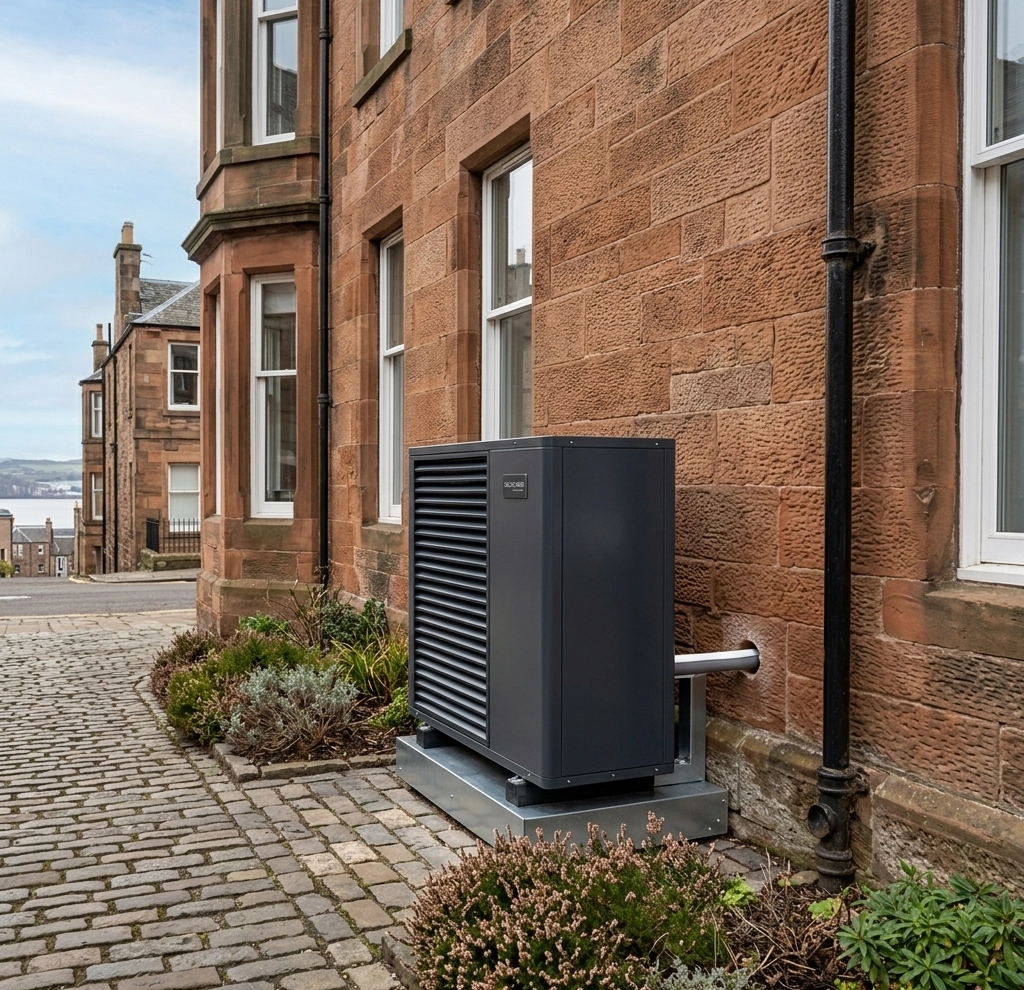
If your boiler is more than 10 years old, it’s time to start looking at an ASHP. They are significantly more efficient than gas boilers and are the centerpiece of the Dundee Local Area Energy Plan.
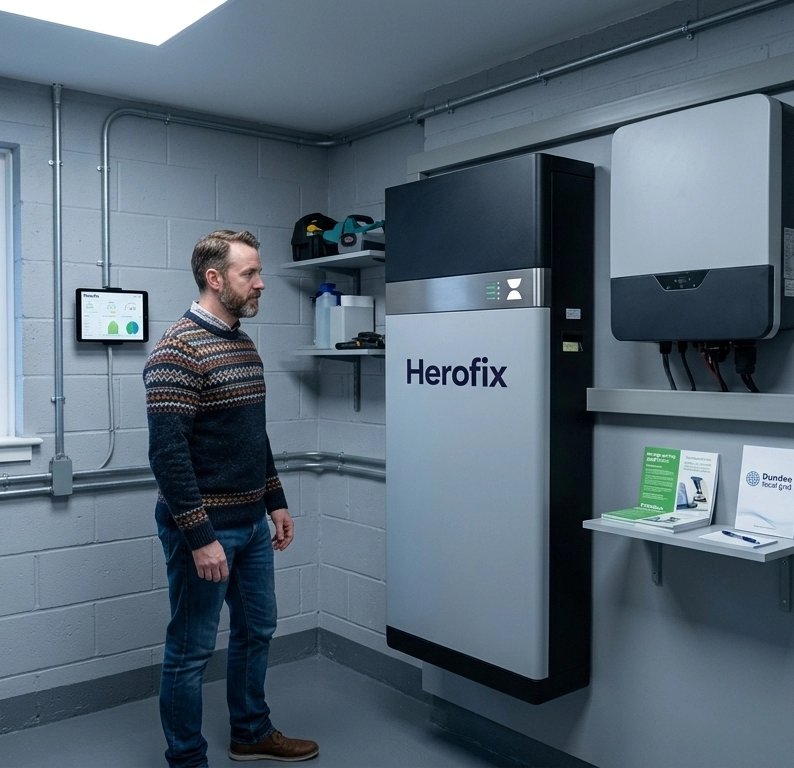
3. Smart Monitoring
Knowledge is power. Using smart tech to monitor exactly where your energy is going is the first step to an EPC Band A or B rating.
Your Pathway to a "Hero" Rated Home
The Dundee net zero plan isn't a threat: it's a roadmap. By aligning your home with the city's future, you aren't just doing your bit for the planet; you're making your most valuable asset more desirable, more comfortable, and much cheaper to run.
Want to know where your home stands?
Don’t wait for the regulations to catch up with you. Get ahead of the curve and find out exactly what upgrades would benefit your property the most.
Take Action Today:
- Book a Free Energy Assessment: Head over to www.herofix.com and we'll help you map out your home's journey to net zero.
- Got Questions? We’re locals, and we know Dundee’s housing stock inside out. Email us at hello@herofix.com for a casual chat about your home’s energy future.
Dundee is moving forward. Is your home coming with it?
For more information on the city's official strategy, you can read the Dundee City Council Net Zero Transition Plan.